
Byron Center, MI
Byron Center Animal Hospital
Byron Center Animal Hospital has been providing compassionate, comprehensive veterinary care to dogs and cats for over 17 years. We have also recently started providing veterinary care to reptiles too!

Compassionate Doctors

Dedicated Patient Care

Personalized Treatment
Byron Center Animal Hospital
Compassionate Care for your pets
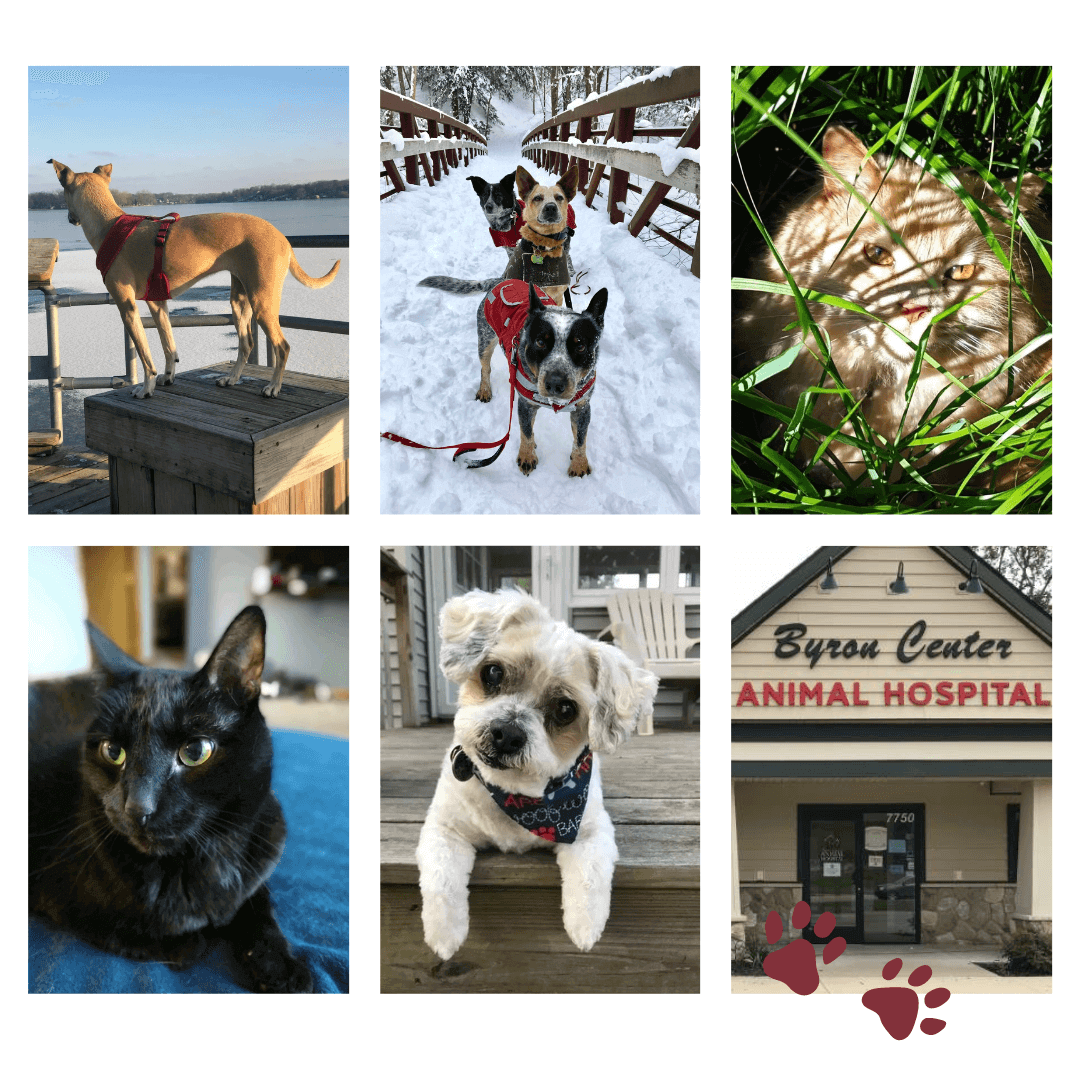
We opened our doors in October 2006 as a full-service small animal clinic. We provide most services including both routine and urgent care. Our goal is to continually promote the pet and owner bond by helping your pet live the healthiest, longest life possible.
We want your pet to be a happy and healthy part of your life for years to come! We strive to provide an exceptional, friendly experience for both you and your pet -encouraging preventative wellness and taking care of them when they are sick or injured.
Veterinary Services
Complete Veterinary Care in Byron Center, MI
Keeping your pet healthy is not only our duty but part of our mission to serve you and promote a long-lasting bond between you and your animal family member.

Pet Surgery
Our doctors perform a variety of surgical procedures. This ranges from simple procedures like spay and neuter to more complicated internal surgeries. No matter what your pet needs, rest assures they’re in good hands.

Pet Wellness Care
A wellness exam is recommended once a year. The exam includes a complete physical evaluation along with a blood panel to test for heartworm disease. Lastly, we take a stool sample to be tested.

Pet Dentistry
Pet dentistry is the branch of veterinary medicine that deals with the oral health of animals. Just like humans, pets can suffer from a variety of dental problems, including gum disease, tooth decay, and bad breath.

Reptile Pet Services
Dr. Gen Kluver is our resident reptile Veterinarian. We understand that pets come in all shapes and sizes. That’s why we’re proud to offer comprehensive preventative care for most nonvenomous reptiles!
Our Team
Meet Our Veterinary Team
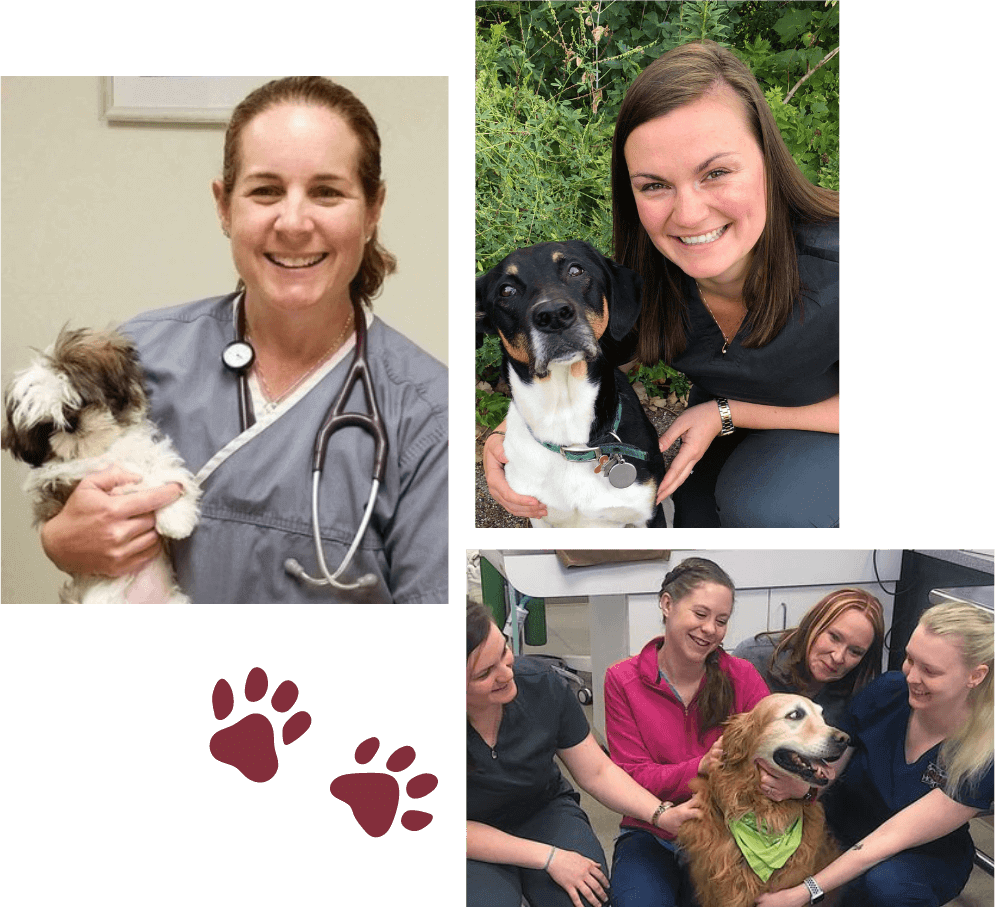
We provide care with a licensed team of experienced professionals. Our Byron Center Animal Hospital family knows the human-animal bond well and looks forward to meeting your pet and providing for their needs. The team believes that exceptional care comes through a relationship with both the pet and the owner.
Testimonials
Thank You For Your Kind Words!
If only our pets could talk, they would be able to confirm the great level of care they receive at BCAH. Almost as good, are the testimonials from our patients’ two-legged client owners. Follow the link below to see what our clients have to say about their experience at our hospital. We appreciate the kind words you’ve given us, and we’re grateful you’ve provided us with feedback.

I travel for work with my dog and needed to have him looked at for a possible paw infection. They made time for the emergency visit and were kind, professional and took care of the issues. Bear is feeling much better. Thanks again.
Chad Hollis
I love Byron Center Animal Hospital. The staff there are all amazing and the vets all take so much care of my dogs. They are great about answering my questions and never make me feel like an annoyance or an inconvenience.
Danielle Marsman